
The allure of chance: Why do we play?
The primary attraction of casino gaming lies in its inherent unpredictability. Many players are drawn to the thrill and excitement that comes from the possibility of winning big, which is often amplified by the vibrant atmosphere of casinos. Incorporating elements such as best online casino ireland can add a new layer of interest, as players seek the ultimate gaming experiences. This unpredictability triggers the release of dopamine, a neurotransmitter associated with pleasure and reward, making the gaming experience highly addictive for some individuals.
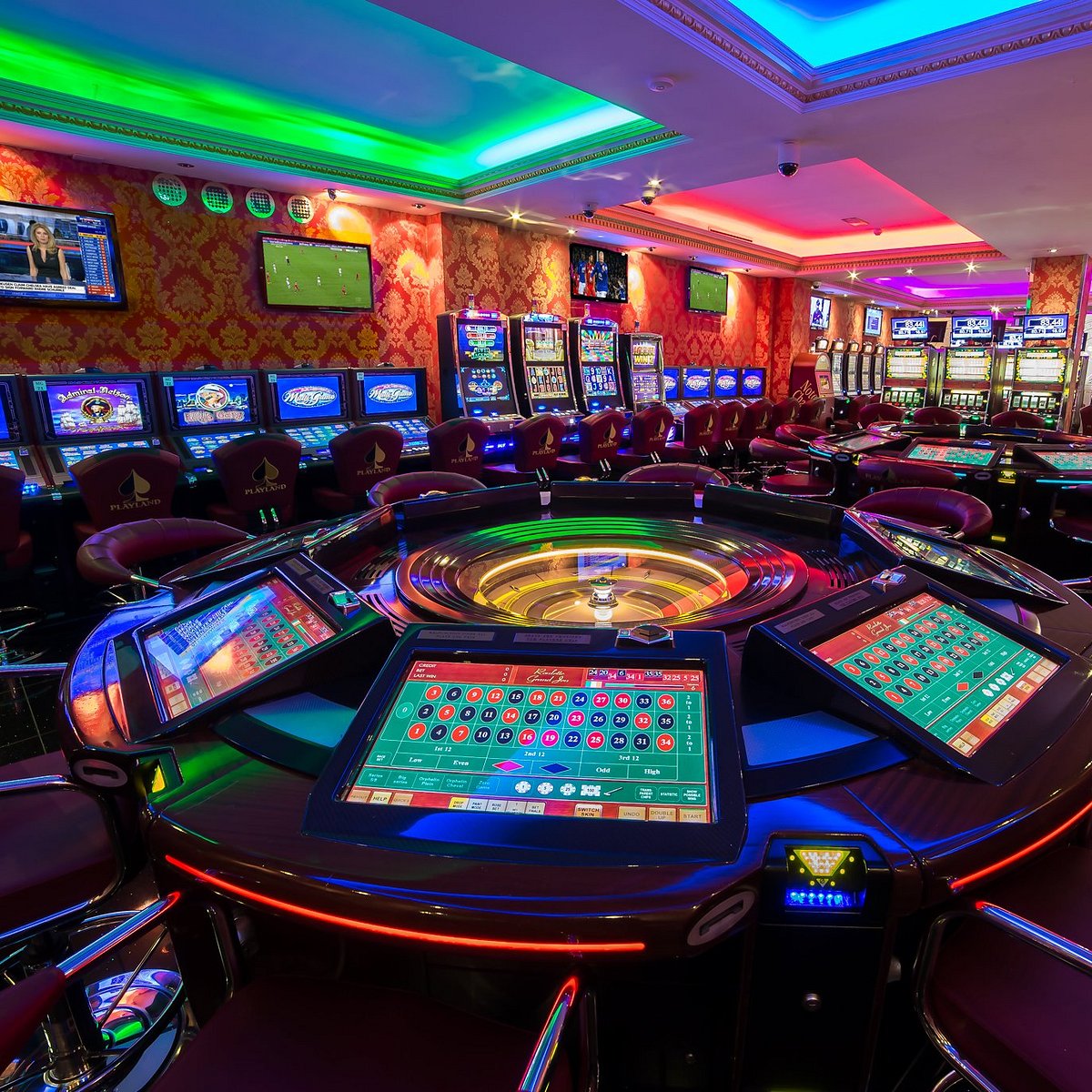
Furthermore, the psychology of risk and reward plays a significant role in gambling. Players often feel a sense of control over the outcome, believing that their strategies and choices can influence their success. This illusion of control can encourage continued engagement, even in the face of losses, as players might think they just need to refine their approach to achieve that elusive win.
Common psychological strategies employed by players
Casino gaming strategies often hinge on psychological principles that guide player behavior. For instance, many players adopt the “gambler’s fallacy,” the belief that past outcomes can influence future results. This leads them to make decisions based on previous spins or hands, despite the fact that each outcome in games of chance is independent of the last.
Another common strategy involves the use of betting systems, such as the Martingale strategy, where players double their bets after a loss in hopes of recovering their losses with a single win. While this strategy can appear logical, it often leads to significant financial risks, underscoring how psychological factors can cloud judgment in high-stakes environments.
The role of emotions in gaming decisions
Emotional responses are a critical component of casino gaming strategies. Players frequently experience heightened emotions, such as excitement or anxiety, which can affect their decision-making processes. For instance, during a winning streak, players may become overconfident, leading to riskier bets and poor choices.
Conversely, loss-induced emotions can cause players to chase their losses, further amplifying their gambling behavior. This emotional rollercoaster can create a feedback loop where wins and losses dictate future play, often pushing individuals to gamble longer and more aggressively than they initially intended.
Social influences on gambling behavior
The social environment in which gaming occurs also plays a significant role in shaping strategies. Casinos foster a communal atmosphere, encouraging interactions among players, which can lead to the adoption of group behaviors. Observing others’ successes can validate a player’s own strategies, leading them to take on similar approaches, whether rational or not.
Additionally, the social aspect of gaming can promote a sense of belonging and community among players, further entrenching their participation in gambling activities. This social proof often reinforces existing strategies, making it challenging for players to break free from destructive cycles of betting.
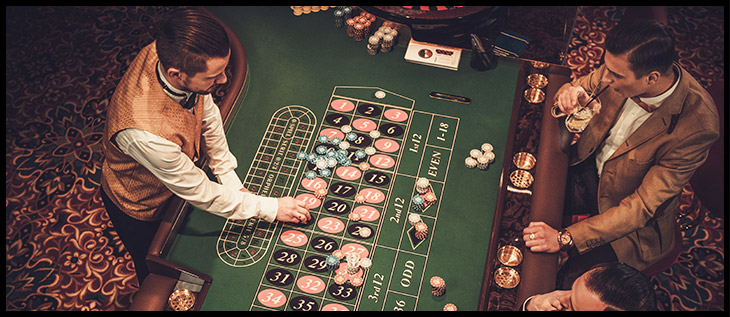
Join the conversation at TechConnect Live
Understanding the psychology behind casino gaming strategies is just one aspect of a broader dialogue about behavior and decision-making in various contexts. At TechConnect Live, we invite you to explore these themes further through our forums and articles that delve into the nuances of gaming psychology and beyond.
By engaging with fellow technology enthusiasts and professionals, you can gain insights into not only gaming strategies but also how psychological principles apply across other domains. Join us at TechConnect Live and enhance your understanding of these fascinating topics in today’s interconnected world.

